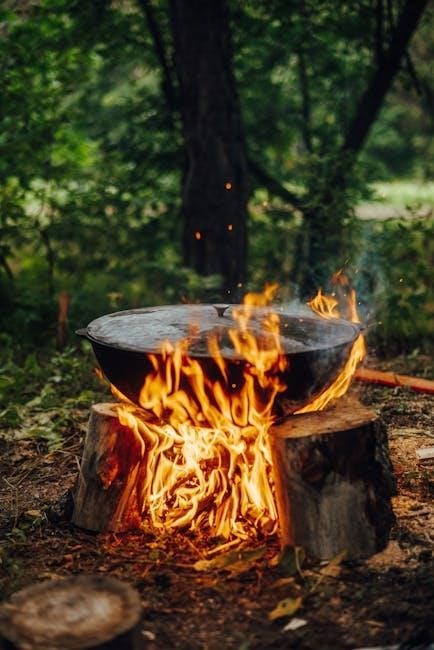
Navigating the outdoors demands proactive planning and knowledge of potential hazards. Preparedness‚ encompassing first aid and resourcefulness‚ is vital for safe adventures and unexpected emergencies.
The Importance of Proactive Planning
Effective outdoor survival hinges on meticulous‚ proactive planning. Considering potential scenarios – from minor injuries to unexpected weather changes – allows for appropriate preparation. Assembling a comprehensive first aid kit‚ understanding basic wilderness medical techniques‚ and practicing essential skills like fire-starting are crucial steps.
Furthermore‚ sharing your plans with someone reliable‚ including your route and expected return time‚ is paramount for safety. Unpredictability is inherent in nature; therefore‚ anticipating challenges and equipping yourself with the necessary tools and knowledge significantly increases your chances of a positive outcome. Preparation isn’t just about gear; it’s a mindset.
Understanding Potential Hazards
The natural world presents a diverse range of potential hazards demanding respect and awareness. These include environmental factors like extreme weather – sudden storms‚ intense heat‚ or freezing temperatures – and geographical risks such as treacherous terrain or flash floods. Wildlife encounters‚ from insect bites to larger animal confrontations‚ also pose threats.

Moreover‚ personal limitations and unforeseen accidents contribute to risk. Recognizing these possibilities allows for preventative measures and informed decision-making. Being prepared for medical emergencies‚ understanding basic first aid‚ and knowing how to signal for help are vital components of mitigating these hazards and ensuring a safer outdoor experience.

Essential Gear for Outdoor Survival
Reliable equipment is paramount for outdoor safety. Prioritize navigation‚ shelter‚ warmth‚ water purification‚ and a comprehensive first aid kit for effective preparedness.
Navigation Tools: Maps‚ Compass & GPS
Mastering navigation is crucial when venturing into the wilderness. Traditional tools like topographic maps and a reliable compass remain essential‚ even with modern technology. Learn to read maps effectively‚ understand declination‚ and accurately determine your location. A GPS device offers convenience and precision‚ but remember batteries can fail – always carry backups! Combining these methods provides redundancy and ensures you can maintain situational awareness‚ preventing disorientation and facilitating safe travel. Practice using these tools before relying on them in an emergency situation‚ building confidence and proficiency.
Shelter & Warmth: Tents‚ Sleeping Bags & Fire Starters
Protecting yourself from the elements is paramount for survival. A durable tent provides shelter from wind‚ rain‚ and snow‚ while a quality sleeping bag ensures warmth during cold nights. However‚ even the best gear is insufficient without the ability to create fire. Pack multiple fire starters – waterproof matches‚ a ferro rod‚ and a lighter – and practice using them. Knowing how to build a fire for warmth‚ signaling‚ and cooking is a fundamental survival skill. Prioritize staying dry and maintaining core body temperature to prevent hypothermia.
Water Procurement & Purification
Access to potable water is crucial; dehydration can quickly become life-threatening. Locate water sources like streams‚ rivers‚ or collect rainwater. However‚ untreated water often contains harmful bacteria and parasites. Always purify water before consumption. Methods include boiling for at least one minute‚ using a water filter‚ or employing purification tablets. Carry a durable water bottle or hydration reservoir. Knowing how to find and safely treat water is a cornerstone of outdoor survival‚ ensuring you remain hydrated and healthy throughout your adventure.
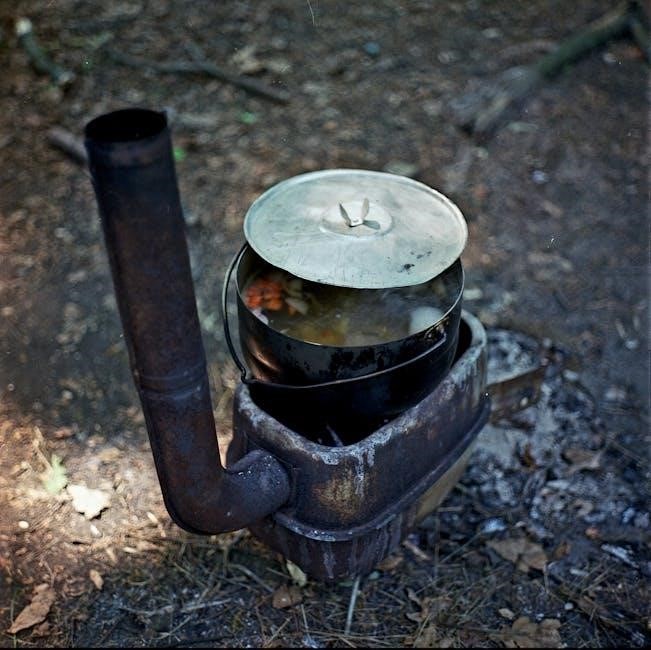
First Aid & Medical Preparedness
Immediate medical attention is often unavailable in the wilderness. A well-stocked first aid kit and knowledge of basic techniques are essential for managing injuries.
Building a Comprehensive First Aid Kit
Assembling a robust first aid kit is paramount for outdoor excursions. Prioritize waterproof containers to protect supplies from the elements. Include bandages of various sizes‚ antiseptic wipes‚ pain relievers‚ blister treatment‚ and gauze pads. Don’t forget medical tape‚ scissors‚ and tweezers for removing splinters or debris. Consider adding an emergency blanket for shock prevention and a SAM splint for immobilizing injuries.
Personal medications and allergy treatments are crucial additions. A first aid manual provides guidance‚ and nitrile gloves protect both the responder and the injured. Regularly inspect and replenish used or expired items to ensure readiness.
Treating Common Outdoor Injuries: Cuts‚ Burns & Sprains
For cuts‚ clean the wound thoroughly with antiseptic wipes and apply a sterile bandage. Control bleeding with direct pressure. Minor burns should be cooled immediately with water for 10-20 minutes; cover with a sterile dressing. Sprains require the RICE protocol: Rest‚ Ice‚ Compression‚ and Elevation.
Immobilize sprains with a splint if possible. Monitor for signs of infection – increased pain‚ redness‚ swelling‚ or pus – and seek professional medical attention if they appear. Knowing basic first aid can significantly improve outcomes in remote locations.
Wilderness First Aid Techniques
Improvisation is key in wilderness first aid. Utilize available materials for splints‚ slings‚ and wound dressings. Learn to assess vital signs – pulse‚ respiration‚ and level of consciousness – to gauge the severity of an injury. Prioritize evacuation if necessary‚ considering the patient’s condition and available resources.
Knowledge of stabilizing techniques is crucial for fractures and spinal injuries. Prevent hypothermia by providing warmth and shelter. Remember‚ prolonged care may be required before professional help arrives‚ so preparation is paramount.

Foraging for Food & Identifying Edible Plants
Safe foraging requires positive plant identification and awareness of potential toxins. Supplement survival rations with edible plants‚ practicing responsible harvesting techniques.
Safe Foraging Practices
Prioritize absolute certainty when identifying plants; misidentification can be fatal. Begin by learning a few easily recognizable edible species in your region‚ utilizing reliable field guides and cross-referencing information. Avoid areas potentially contaminated by pesticides‚ pollutants‚ or animal waste. Harvest responsibly‚ taking only what you need and leaving enough for the plant to regenerate and for wildlife.
Never consume anything unless you are 100% confident in its identification. Start with small amounts to test for allergic reactions. Be mindful of protected or endangered plant species and respect local regulations regarding foraging. Thoroughly wash all foraged items before consumption to remove dirt and potential contaminants.
Identifying Common Edible Plants
Dandelions are remarkably versatile‚ with edible leaves‚ flowers‚ and roots. Plantain (not the banana-like fruit) boasts edible leaves‚ especially when young‚ and can soothe insect bites. Clover is generally safe to eat‚ though some may experience digestive upset. Wild berries require extreme caution; only consume those you positively identify as safe‚ avoiding those with white berries.
Remember the “universal edibility test” as a last resort‚ but prioritize positive identification. Cattails offer edible shoots‚ roots‚ and pollen. Thoroughly research each plant before consumption‚ considering potential look-alikes and regional variations. Always err on the side of caution.

Building a Survival Shelter
Constructing a shelter provides crucial protection from the elements. Utilizing natural features and readily available materials maximizes efficiency and conserves vital energy.
Natural Shelter Options
Leveraging the environment is paramount when seeking immediate shelter. Overhanging rocks‚ dense vegetation‚ and natural cavities offer pre-existing protection from wind‚ rain‚ and sun. Caves‚ while potentially offering substantial cover‚ require careful assessment for inhabitants – both animal and geological stability.
Thickly branched trees can provide a framework for adding debris‚ creating a rudimentary lean-to. Fallen logs can serve as a windbreak or the spine of a more substantial structure. Prioritize locations sheltered from prevailing winds and potential hazards like falling branches or flash flood zones. Remember to insulate the shelter with leaves‚ pine needles‚ or other natural materials for warmth and comfort.
Constructing a Basic Lean-To
A lean-to provides quick‚ effective shelter using minimal resources. Begin by finding a sturdy horizontal branch or ridgepole‚ ideally forked‚ or secure one between two trees. Lean long‚ strong branches against this ridgepole at roughly a 45-degree angle‚ creating a frame.
The steeper the angle‚ the better the water runoff. Cover the frame with layers of smaller branches‚ leaves‚ pine needles‚ mud‚ or bark‚ starting from the bottom and overlapping each layer like shingles. Ensure sufficient thickness for insulation and weather protection. Reinforce the structure with additional supports as needed‚ prioritizing stability and minimizing gaps.

Fire Starting Techniques
Mastering fire-starting is crucial for warmth‚ cooking‚ and signaling. Gathering suitable tinder and fuel‚ alongside utilizing matches or flint and steel‚ ensures survival.
Finding Suitable Tinder & Fuel
Successfully initiating a fire hinges on locating appropriate tinder and fuel sources. Tinder‚ easily ignited material‚ includes dry grasses‚ birch bark‚ pine needles‚ and cottonwood fluff. Prioritize materials that readily catch a spark and sustain a flame. Fuel‚ sustaining the fire‚ progresses from small twigs (kindling) to larger branches and logs.
Dead‚ standing wood is preferable‚ as it’s drier than wood on the ground. Split larger pieces to expose dry inner wood. Gather a generous supply of both tinder and fuel before attempting to start the fire‚ anticipating varying conditions and potential failures. Remember‚ preparation is key to a successful and life-saving fire.
Methods for Starting a Fire (Matches‚ Flint & Steel)
Several techniques exist for igniting a fire‚ each with its advantages and disadvantages. Waterproof matches are reliable but limited; store them securely. Flint and steel require practice – striking the steel against the flint creates sparks to ignite tinder. A fire starter‚ like magnesium‚ shaves off easily and burns hot.

Regardless of the method‚ protect the flame from wind. Build a small “bird’s nest” of tinder and gently introduce the spark or flame. Gradually add kindling‚ increasing the size of the fuel as the fire grows. Patience and persistence are crucial; don’t give up easily!

Signaling for Help & Rescue
Effective signaling utilizes both visual and audible methods to attract attention. Mirrors‚ bright colors‚ and smoke signals enhance visibility‚ while whistles and shouts carry sound.
Visual Signaling Methods
Employing visual signals dramatically increases your chances of rescue in a survival scenario. Utilizing a mirror to reflect sunlight can send a flash visible for miles‚ even through partially obscured conditions. Brightly colored clothing or materials‚ strategically placed in open areas‚ create high-contrast markers easily spotted from the air.
Constructing large ground-to-air signals‚ such as SOS patterns made from rocks‚ branches‚ or contrasting fabrics‚ provides a clear message to potential rescuers. Smoke signals‚ generated by adding green vegetation to a fire‚ create visible plumes‚ though wind conditions must be considered. Remember to choose locations with maximum visibility and maintain signal consistency for optimal effectiveness.
Audible Signaling Methods
When visual signals are ineffective‚ audible methods become crucial for attracting attention. The universally recognized distress signal is three of any sound – three whistles blasts‚ three shouts‚ or three fires. Repeat this pattern consistently‚ pausing briefly between sets‚ to clearly indicate distress.
A whistle is an incredibly effective signaling device‚ requiring minimal energy and carrying a significant distance. Shouting‚ while tiring‚ can be useful in close proximity. Creating loud noises by banging rocks together or striking metal objects can also draw attention. Prioritize conserving energy while maximizing signal reach and clarity.
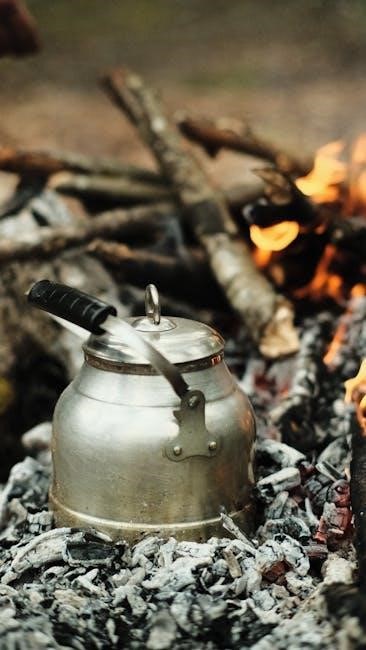
Emergency Kit Checklist: Minimum Requirements
A compact survival kit should include fire starters‚ cutting tools‚ and repair items like fishing line and a multi-tool knife for essential needs.
Fire Starting Materials
Reliable fire-starting capabilities are paramount for warmth‚ cooking‚ signaling‚ and psychological comfort in a survival scenario. Your minimum kit should contain multiple redundant methods. Waterproof matches‚ stored in a waterproof container‚ offer a simple and effective solution. Flint and steel‚ while requiring practice‚ provide a dependable spark source even when wet.
Consider including a fire starter – commercially available options are lightweight and burn hot. Additionally‚ prepare natural tinder like birch bark or cotton balls coated in petroleum jelly. Having diverse options ensures success‚ regardless of environmental conditions‚ bolstering your chances of survival and rescue.
Cutting Tools & Repair Items
A robust cutting tool is indispensable for shelter building‚ fire preparation‚ first aid‚ and numerous other survival tasks. A multi-tool knife‚ incorporating pliers‚ screwdrivers‚ and a saw‚ offers versatility. A sturdy fixed-blade knife provides superior strength for demanding tasks. Include a razor blade for precise work and fine tinder creation.
Repair items are equally crucial. Fishing line and lures can mend gear or procure food. Duct tape addresses a wide range of repairs‚ from clothing to equipment. Strong cordage‚ like paracord‚ has countless applications. These seemingly small items significantly enhance self-reliance.